Tobacco is a Social Justice Issue

Commercial tobacco is not an equal opportunity killer. Black Americans, LGBTQ individuals, and Hispanic and Latino Americans have been disproportionately targeted by the tobacco industry, leading to increased burden from tobacco-related death and disease. Young people, women, members of the military, and people living with mental health conditions have also been historically targeted by the tobacco industry. 

The higher rates of death and disease that tobacco products have inflicted on disproportionately targeted communities is devastating. Truth Initiative has long recognized that tobacco is a social justice issue and that racism is a public health issue.  

By exposing predatory industry tactics, spreading awareness about the health impacts of tobacco use, and driving policy change, we can create a healthier and more equitable future for all. Truth Initiative also builds lasting partnerships to power culturally relevant cessation solutions through the Culture + Cessation Collective, a group of three community coalitions focused on the unique needs of the LGBTQ+, Black, and Hispanic/Latino communities. 

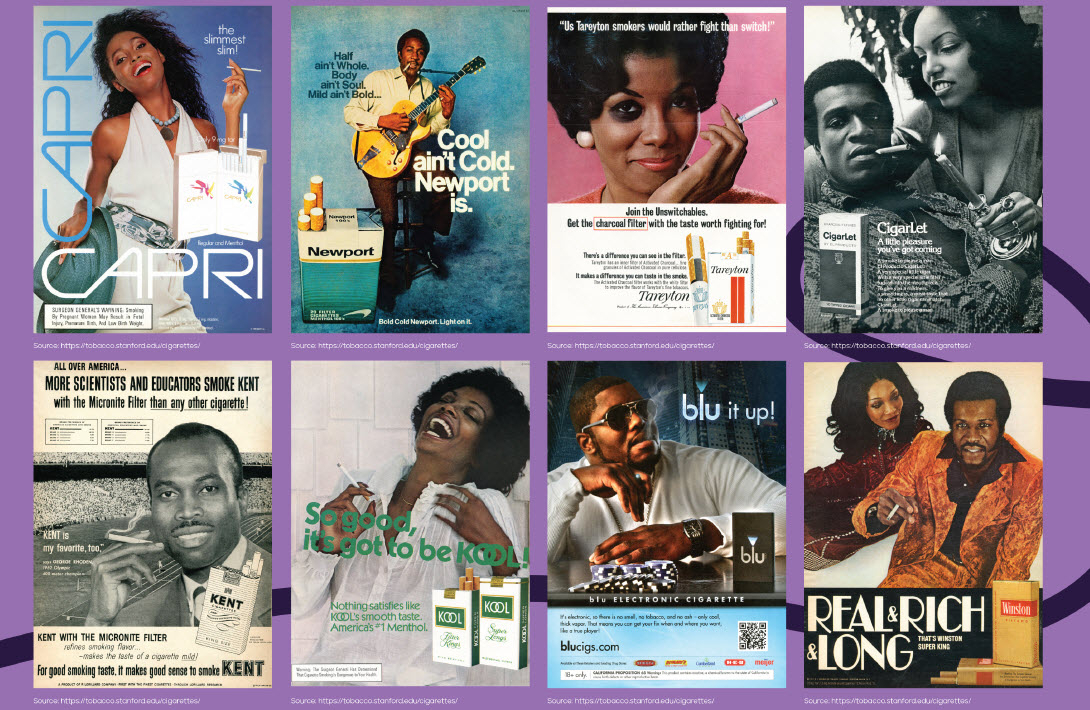
Advertisements depicting menthol advertising

Exposing predatory tobacco industry tactics

The tobacco industry has strategically and aggressively targeted certain groups throughout history, including Black Americans, the LGBTQ+ community, and Hispanic and Latino Americans. Tobacco companies have inundated these communities with targeted marketing, discounts and coupons, and sponsored events – going as far as distributing free products to get people hooked. Today, these groups face higher tobacco marketing exposure, higher rates of tobacco use, and disproportionate health impacts.  

Truth Initiative has exposed Big Tobacco’s predatory tactics through truth campaigns including “Read Between the Lies,” “Worth More,” and “Making Menthol Black.”  

See research on targeted communities
The Culture + Cessation Logo

Empowering freedom from addiction

When it comes to tobacco and nicotine addiction, culturally relevant quitting resources are necessary to address community-specific challenges. The Culture + Cessation Collective supports the LGBTQ+, Black, and Hispanic and Latino communities in quitting nicotine by creating lasting partnerships, examining cultural barriers to quitting, and driving practical solutions for nicotine addiction.  

Learn more about the Collective
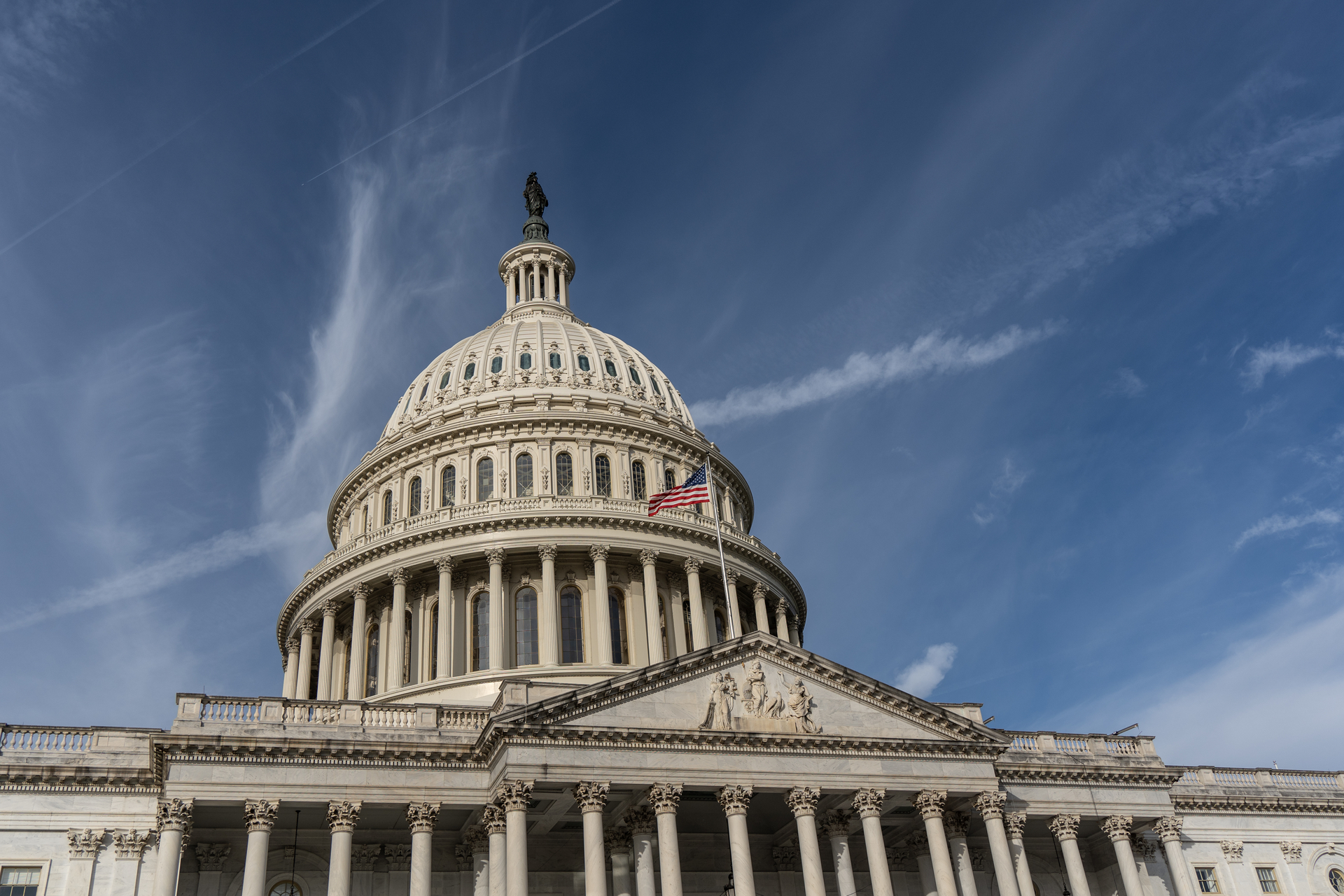
A photo of the Washington D.C. Capitol building

Policies to address disparities in tobacco use

Strong state and local policies are needed to reduce disparities in tobacco use and expand cessation access for all. By removing flavored tobacco products and illegal e-cigarettes from the market and advocating for policies that restrict the advertising, discounting, and promotion of tobacco and nicotine products, we can help close the gaps in tobacco use prevalence and empower quitting for all. 

See how we drive policy change
Woman watching sunset

The difference between commercial tobacco and sacred tobacco

Tobacco has a central role in many indigenous communities, making it paramount to distinguish its sacred use from commercial use.

Sacred tobacco has been used by American Indian nations for centuries, in a variety of natural products that differ across regions and tribes. Sacred tobacco (also called traditional tobacco) does not contain additives, is not manufactured or marketed by the tobacco industry, and does not pose the same threats to public health and the environment that commercial tobacco does.

Learn more about sacred tobacco

Our mission is to prevent youth and young adult nicotine addiction and empower quitting for all. This is how we're doing.

See our impact

Get the latest facts and analyses on the most important issues in commercial tobacco and substance use.

Explore our research and resources