


 Research Article
Monitoring a rapidly changing nicotine market: flavored “smart” vapes, oral nicotine pouches, and stronger disposables
The tobacco industry continues to engineer products that appeal to young people – including high-tech “smart” vapes and flavored oral nicotine pouches – while disposable e-cigarettes grow stronger and cheaper, according to a new report from Truth Initiative.
The report found that the amount of nicotine sold increased by 249.2% between 2020 and 2024, largely due to the increased size and strength of disposable devices. Sales of disposable e-cigarettes increased by 206.0%, driven by fruit, candy, and dessert-flavored products – with many brands now incorporating “smart” features such as digital screens and games.
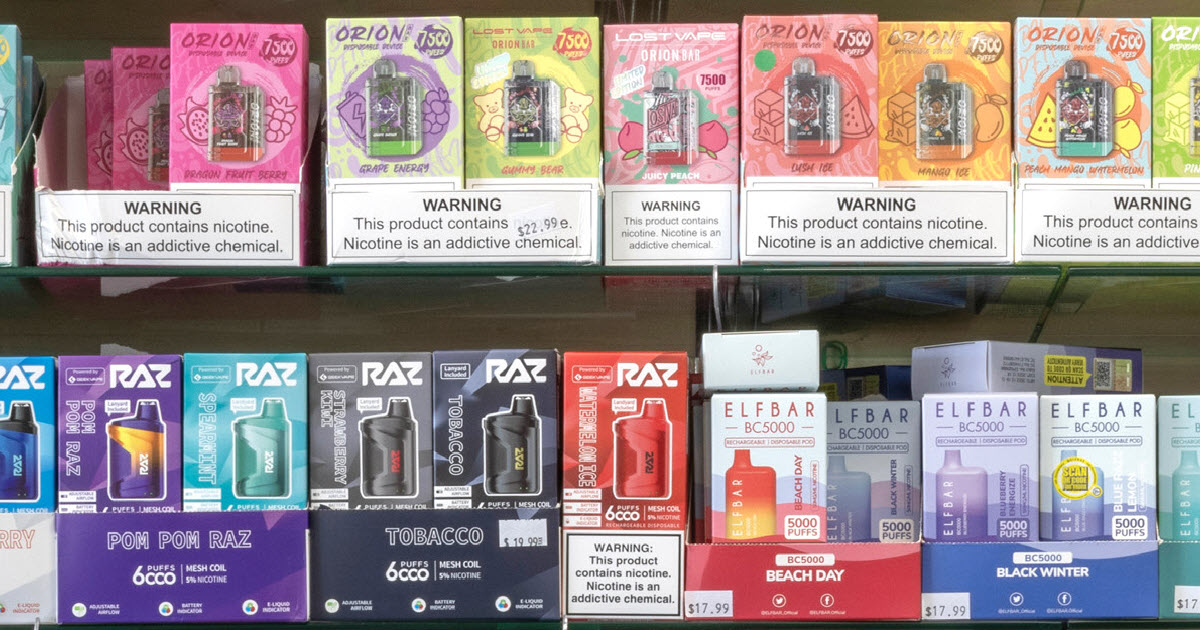
The report also covers oral nicotine pouches, sales of which have nearly tripled since 2023. The emergence of new flavored products, combined with the larger amounts of nicotine available in e-cigarettes, is especially concerning as cuts to federal tobacco control programs have weakened systems meant to protect young people from nicotine addiction.
This year’s report, Monitoring a Changing Tobacco Product Market in the United States, is the second annual review of nicotine market trends from the Monitoring Tobacco Product Use project. The report analyzes retail data on nicotine products sold from January 2019 to December 2024 and results from the Tobacco Epidemic Evaluation Network (TEEN+) Study, a nationally representative survey of youth and young adults aged 13-24.
High-tech “smart” vapes, and a growing market for flavored oral nicotine pouches, put young people at risk
High-tech "smart" vapes, featuring digital screens, games, animations, and sounds, became a top-selling e-cigarette category in 2024, with two of the top-selling brands selling products with “smart” features. The report found that nearly one-third of youth (32.3%) and young adults (32.6%) who currently use e-cigarettes reported use of a “smart” vape in the past 30 days.
These products have raised concerns due to their combination of youth-appealing technology, sweet and fruity flavors, and high concentrations of nicotine, creating a device that gamifies nicotine use and capitalizes on youth digital dependency.
2024 also saw the continued rise of flavored oral nicotine pouches, sales of which have increased more rapidly than any other nicotine product in the United States. Total nicotine pouch dollar sales nearly tripled between January 2023 and December 2024, rising from $145.5 million to $404.1 million.
The report also found that nearly all oral nicotine pouch products are flavored. Most young people (95.7% of young people ages 13–20 and 95.8% of young adults ages 21–27) who reported past-month nicotine pouch use indicated they used a flavored nicotine pouch product, underscoring the central role that flavors play in attracting young people to nicotine products.
Disposable e-cigarettes remain top sellers, offering more nicotine and appealing flavors at a cheaper price
As of December 2024, 93.4% of over 7,000 e-cigarette products available on the market were disposable devices. Most of these products are sold illegally, with only four disposable e-cigarette products authorized by the Food and Drug Administration (FDA).
These products are the most commonly used nicotine product by young people, and their appeal is driven by flavors. Between February 2020 and December 2024, disposable e-cigarette sales increased by 206.0% (4.1 million units to 12.5 million units), driven by fruit, candy, and dessert-flavored products, and nearly all young people who reported current e-cigarette use (97.7% of youth ages 13–17 and 95.5% of young adults ages 18–27) reported using a flavored product.
Disposable devices have also grown bigger and stronger over time – resulting in a continued dramatic increase in the total nicotine sold while the price per milligram of nicotine has fallen. In fact, over the four-year period from February 2020 to June 2024, the amount of nicotine sold increased by 249.2% while price drops from 2020 to 2022 nearly tripled the purchasing power for youth.
Frequent use of nicotine products, and co-use of multiple products, is on the rise
While youth e-cigarette use has declined from its peak in 2019 – when over 5 million young people used e-cigarettes – young people today have access to stronger and cheaper e-cigarettes and are using them with alarming frequency, showing signs of nicotine addiction. Meanwhile, co-use of multiple nicotine products is on the rise, made possible by a constantly expanding market of flavored, affordable products.
According to data from the TEEN+ study, about half (51.1%) of young adults and nearly 40% of youth who currently used e-cigarettes reported using them frequently – on 20 or more of the past 30 days. In addition, over half of youth (53.2%) and young adults (62.1%) who currently used e-cigarettes reported wanting to use their e-cigarette within an hour of waking up – a common measure of nicotine dependence.
In addition to frequent use of nicotine products, co-use of multiple tobacco and nicotine products has risen. According to the report, nearly half of youth (45.5%) and more than half of young adults (52.6%) who reported past-month e-cigarette use reported that they used at least one additional tobacco product, such as cigarettes, cigars, or nicotine pouches.
Multiple product use is especially prevalent among young adult oral pouch users. Among those who reported past-month use of oral pouches, nearly 80% of young adults ages 21–27 (as well as 60.7% of youth ages 13–20) reported past-month use of at least one other tobacco or nicotine product.
Co-use of multiple products among young people is of concern as it can expose young people to higher amounts of nicotine, potentially increasing dependence.
Urgent action is needed to limit the appeal and availability of e-cigarettes and nicotine pouches to protect young people from nicotine addiction
Federal and state actions are needed to protect young people amidst the rise of bigger, stronger, and cheaper flavored nicotine products.
Federal action must be taken to eliminate flavored, disposable, and illegal e-cigarettes from the market. Currently, only 39 e-cigarettes are authorized for sale by the FDA – the rest, the overwhelming majority, are on the market illegally.
State and local jurisdictions should also continue to regulate the sale of flavored nicotine products, which have been proven to appeal to young people. The Surgeon General’s report on reducing tobacco-related death and disease explicitly recommends flavored tobacco sales restrictions as a tool to reduce youth tobacco use and tobacco use disparities. Despite established research that these policies work, only 27.2% of the U.S. population is covered by a flavored tobacco sales restriction and 15% are covered by more comprehensive sales restrictions.
Furthermore, funding for comprehensive tobacco prevention and cessation is needed. Funding for the Office on Smoking and Health should be restored so critical youth prevention programs, public education campaigns, cessation efforts, and research initiatives can continue.
For a full list of recommendations, read the full report.
More in emerging tobacco products



Want support quitting? Join EX Program
By clicking JOIN, you agree to the Terms, Text Message Terms and Privacy Policy.
Msg&Data rates may apply; msgs are automated.