


 Research Article
Exposure to tobacco promotion on TikTok, Twitch, and YouTube nearly triples odds of intending to vape
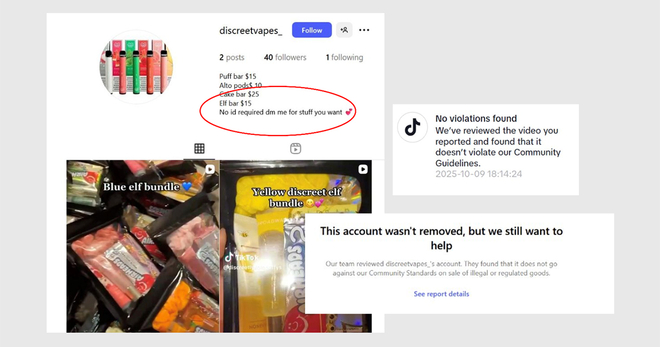
Research from Truth Initiative finds that young people exposed to high levels of user-generated, promotional tobacco content on YouTube, Twitch, and TikTok have nearly triple the odds of intending to use e-cigarettes, compared to those who are not exposed to tobacco being promoted on these platforms. Young people with high exposure to promotional tobacco content also had more than twice the odds of intending to smoke cigarettes.
While alarming, this trend is unsurprising given that previous research has established that tobacco imagery in movies and TV shows, as well as content on social media, can drive young people to use tobacco and nicotine products.
Platforms where users generate and share content like YouTube, TikTok, and Twitch are the most popular media outlets for young people. About a third of young people surveyed recalled being exposed to promotional tobacco content on these platforms, creating yet another avenue for youth exposure to pro-tobacco content and underscoring an urgent need for policies to limit exposure.
Key takeaways from this study
- Tobacco content infiltrate user-generated content platforms. In this survey of 1,032 15-24-year-olds, many were exposed to promotion of tobacco products on TikTok (30%), YouTube (28.4%), and Twitch (22.4%).
- Tobacco imagery on YouTube, Twitch, and TikTok is common. More than one-third of study participants were exposed to tobacco use of any kind on these platforms. The highest exposure was reported on TikTok (41.4%), followed closely by YouTube (40.5%) and Twitch (34.0%)
- The higher the tobacco exposure, the greater the odds of intending to use tobacco products. Compared to those who were not exposed to tobacco content, those with high exposure had 196% higher odds of intending to vape and 119% higher odds of intending to smoke. Those with moderate exposure had 55% higher odds of intending to use e-cigarettes.
Findings are aligned with previous Truth Initiative research that found that young people with high exposure to tobacco imagery on popular streaming TV shows have about triple the odds of intending to smoke and vape. These findings expand on that research, showing a significant relationship between recalled exposure to promotional tobacco content on user-generated content platforms and intentions to vape and smoke cigarettes in the future.
More in tobacco in pop culture


Want support quitting? Join EX Program
By clicking JOIN, you agree to the Terms, Text Message Terms and Privacy Policy.
Msg&Data rates may apply; msgs are automated.