



 Fact Sheet
The link between cannabis and tobacco
Many states have increased legal access to cannabis products recently, with 40 states plus D.C. legalizing medical cannabis, 31 states plus D.C. decriminalizing the possession of cannabis, and 24 states plus D.C. legalizing cannabis for adult recreational use. While cannabis use by teens has declined in the last few years after a decade of remaining relatively stable, young adult use has steadied after a period of rising prevalence and vaping cannabis has become a commonly used method of consumption.
Cannabis and tobacco products (including cigarettes, e-cigarettes, and smokeless tobacco products) are two of the most commonly used substances among U.S. youth. Tobacco and cannabis use patterns are also evolving, and many teens are combining the two products. Among youth aged 12-17, co-use of cannabis and tobacco is more prevalent than using both substances by themselves. A study that analyzed data collected from October 2018 also shows that odds of cannabis use were higher among youth who had a history of using e-cigarettes.
These are concerning trends given that cannabis has potentially dangerous effects on young people; youth cannabis use negatively impacts brain development, and research shows worrying links to depression and earlier onset and worse symptoms of psychotic illness in those who are susceptible. Young people who use nicotine and cannabis are exposed to negative health effects of both substances — nicotine is highly addictive and can also negatively impact developing brains — warranting continued surveillance of youth cannabis use. In addition, the increase in cannabis legalization and an evolving policy landscape concerning cannabis has rapidly brought about new products that should be monitored to ensure that these products do not attract new youth users.
This resource presents information about the current state of legalization and changing state laws regarding cannabis, the evolving product landscape, as well as cannabis use patterns among youth and adults and the health effects resulting from such use.
What is cannabis?
- Cannabis is a plant that produces active chemicals that can affect the entire body when consumed.
- Cannabis is primarily used for the psychoactive mind-altering component known as Tetrahydrocannabinol (THC). Delta-9 THC is the primary form of THC consumed. The cannabis plant can be harvested to produce concentrates, extracts, and edibles.
- THC can be ingested orally, smoked, inhaled as a vapor, sprayed under the tongue, used on skin, and mixed into food products.
- Side effectsof cannabis use can include impairment in attention, judgment and short-term memory, slow coordination, worsened balance, and increased heart rate. Users may experience anxiety and paranoia. It can also irritate the throat and lungs and disrupt sleeping patterns. Long-term use has been associated with impairments in learning and memory with a potential loss of IQ.
- Today’s cannabis is substantially more potent than it was two decades ago, providing a more intense and longer high, and more pronounced physical and mental side effects. THC concentrations of vaporized hash oil and waxes that are modified for use in vaping devices can exceed those of dried cannabis by four to 30 times.
CANNABIS AND HEMP-DERIVED PRODUCTS
Different marijuana products like delta-8 and CBD
The cannabis landscape is quickly evolving, and new products such as hemp-derived products are becoming more popular. These products have complicated regulations surrounding cannabis and cannabis use patterns.
- Cannabidiol (CBD) is a non-psychoactive component of the cannabis plant. At the federal level, CBD derived from hemp with THC concentrations of less than 0.3 percent is legal, and some states have acted to legalize it in their jurisdictions.
- Hemp is another name for the cannabis plant usually grown with low amounts of THC specifically to make products like rope, paper, cloth and soap. Hemp was removed from the federal Controlled Substances Act in 2018, making it legal at the federal level. However, it is still illegal in some states.
- Hemp-derived products like Delta-8, Delta-10, and Hexahydrocannabinol have grown in popularity, producing a “high” milder than traditional Delta-9 THC. Because these products are made from hemp, they are federally legal. The 2018 Farm Bill Act defines hemp as “…the plant Cannabis sativa L. and any part of that plant, including the seeds thereof and all derivatives, extracts, cannabinoids, isomers, acids, salts, and salts of isomers, whether growing or not, with a Delta-9 tetrahydrocannabinol concentration of not more than 0.3 percent on a dry weight basis.” The Farm Bill defined hemp as the cannabis plant with less than 0.3% of THC. This meant that the cannabis plant with less than 0.3% is no longer considered a Schedule I Drug subject to the Controlled Substances Act. In addition, this language is credited with unintentionally expanding the cannabis market beyond Delta-9 THC and the sale of certain CBD products like hemp-derived products. As of January 2023, 26 states have taken action to make these new hemp-derived products illegal. Furthermore, the Food and Drug Administration (FDA) has stated that it must approve any health claims in hemp-derived CBD products, which is important because unverified and unregulated health claims related to these products have been reported. The Continuing Appropriations and Extensions Act of 2026 contains a provision which aims to close the “hemp loophole” that restricted only Delta-9 THC levels. This provision redefines “hemp” to include a total THC limit of 0.3%, including any cannabinoids that have similar effects as THC, at the discretion of HHS. It also prohibits synthetic cannabinoids and restricts final consumer products to no more than 0.4 mg of total THC or similar cannabinoids per container.
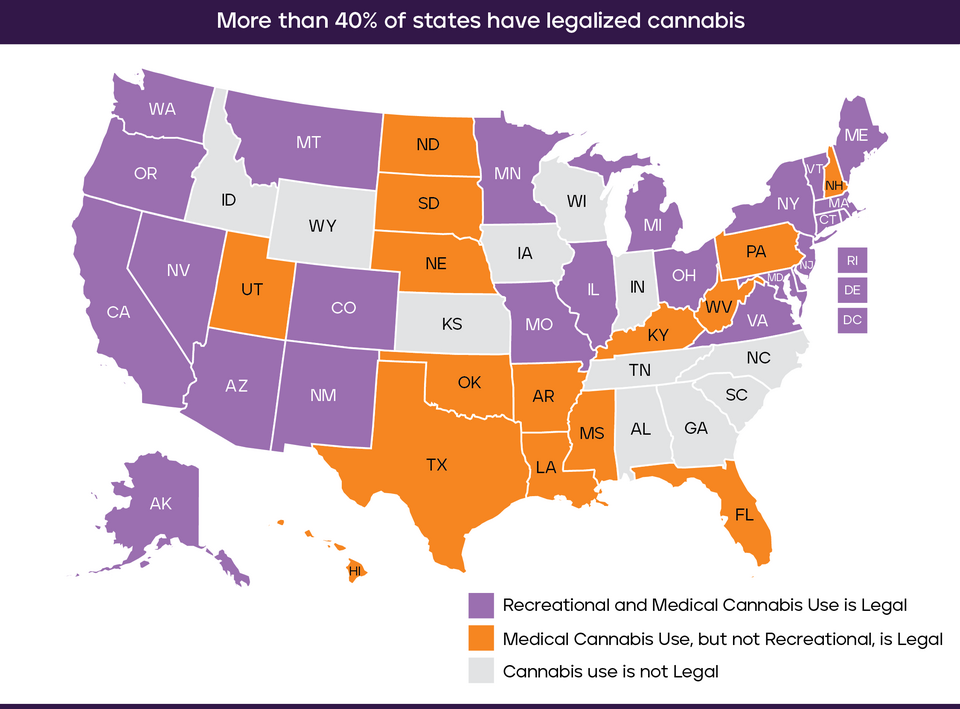
Cannabis is currently the most commonly used illicit drug in the United States. Despite its federal status as an illegal substance, 24 states and D.C. have legalized adult use for those aged 21 and up and as of October 2025, 40 states and D.C. have legalized cannabis use for medicinal purposes.
At the federal level, cannabis (except cannabis with a THC concentration of 0.3 percent or less) remains a “Schedule I” substance, which is a drug or chemical the federal government considers at high risk for abuse and possesses little or no medical benefit.
The rapidly evolving legal status of cannabis has left the cannabis retail market in disarray with a dearth of federal standards and disparate policies and varying levels of enforcement at the state level. For instance, unlicensed stores and smoke shops that sell cannabis illegally are a known problem. Colorado has many inconsistencies in its cannabis regulations, yet several states and countries have used the state as a model for their policies. CBD products present another tricky aspect in retail and enforcement because they are federally illegal but legal in certain states. The cannabis product itself varies widely because there are no standards for extraction, few testing labs, a lack of federal standards, and a variety of breeding practices.
YOUTH CANNABIS USE SHOWS RECENT DECLINES
Youth marijuana use
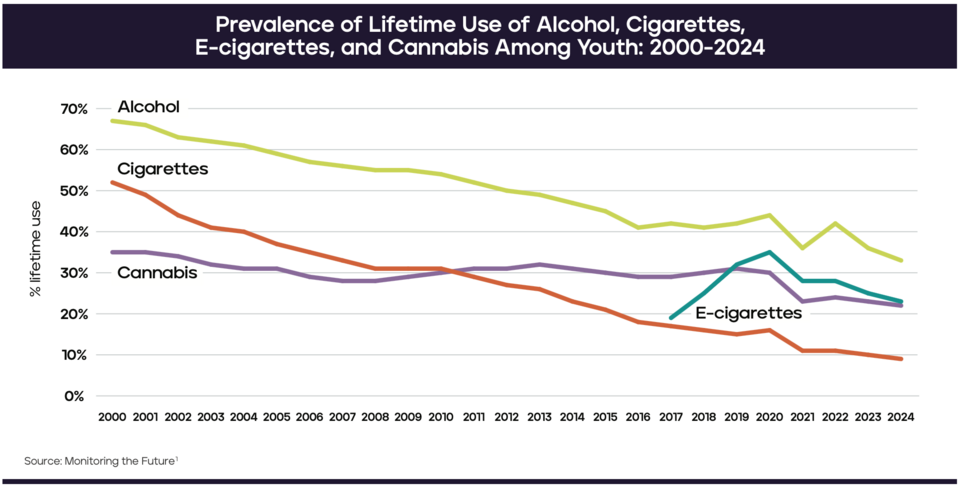
Nationwide, youth cannabis use has decreased steadily in the past two years after a sharp decline in 2021.
Research shows that cannabis-naïve adolescents who have used e-cigarettes are significantly more likely to report cannabis use one year later compared with those who have not used e-cigarettes. Other recent surveys have found that:
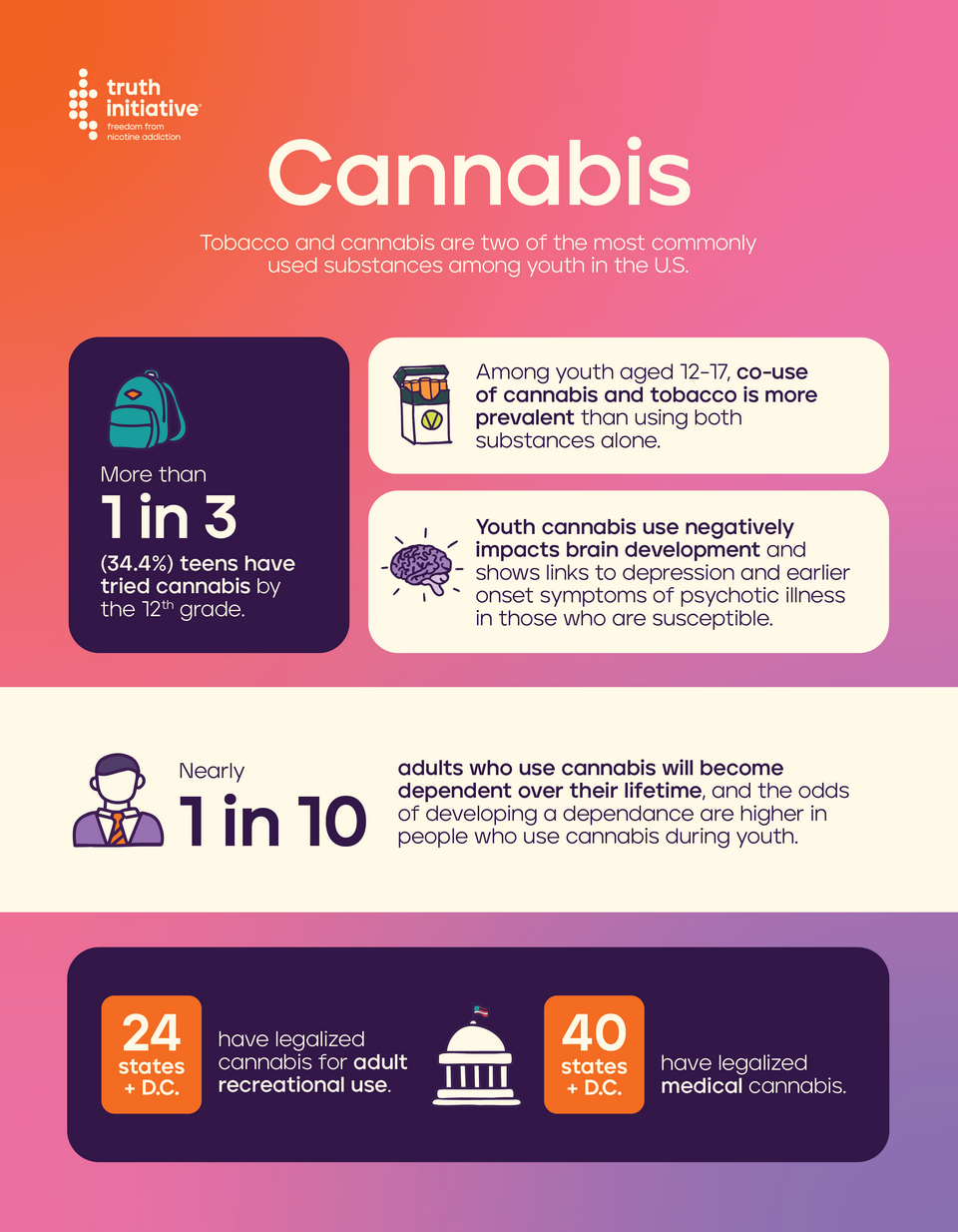
- More than 1 in 3 (34.4%) teens have tried cannabis by the 12th grade.
- Nearly 18% (17.9%) of teens used cannabis in the past year and 11% used it in the past 30 days.
- A quarter (25.8) of 12th graders used cannabis in the past year.
- In 2024, 7.2% of 8th graders, 15.9% of 10th graders and 25.8% of 12th graders used cannabis in the past year.
- 16.2% of high school seniors and 9.5% of 10th graders used cannabis in the past month.
- In 2024, 4.9% of 8th graders, 11.3% of 10th graders, and 21.7% of 12th graders used cannabis in the past month.
- 5.1% of high school seniors used cannabis daily.
- Cannabis is “fairly easy to obtain.”
- 70% of 12th graders who have used cannabis reported cannabis being fairly easy or very easy for them to obtain, including in states where it remained illegal, in 2021.
- Youth use may be affected by medical legalization.
- A 2022 study found that assuming states attain the median medical cannabis market size of around 1% of adults, the prevalence of cannabis use in the last month will rise from 7.6% to 8.2% for 12–17-year-olds.
- There is mixed evidence of adult recreational cannabis laws affecting youth use.
- A 2022 Colorado study evaluating the impact of recreational cannabis legalization found that cannabis use among adolescents has remained consistent, yet young adult use has grown. Also, the prevalence of cannabis use among Colorado adolescents of all ages is greater than that of youth in the rest of the United States. A 2019 national study found that legalized adult cannabis use for non-medical purposes resulted in an increase in youth use of around 11%. A review of multiple studies found that six studies reported a decrease in adolescent use, while seven studies reported an increase in use.
- For young people, smoking is the most common method of cannabis use.
- The most frequent and consistent route of cannabis use among adolescents was smoking (99%), followed by edible use (61%), and then vaping (44%) across their lifetimes, according to 2016 data.
As alcohol and cigarette use decline among youth, cannabis is increasingly the first substance young people use.
ADULT CANNABIS USE IS ON THE RISE
Adult past-year cannabis use has increased in recent years.
- More than 12% of adults used cannabis in the past month
- In 2021, nearly 14% (13.7%) of U.S. adults aged 18 and older — 34.9 million people — used cannabis in the past month.
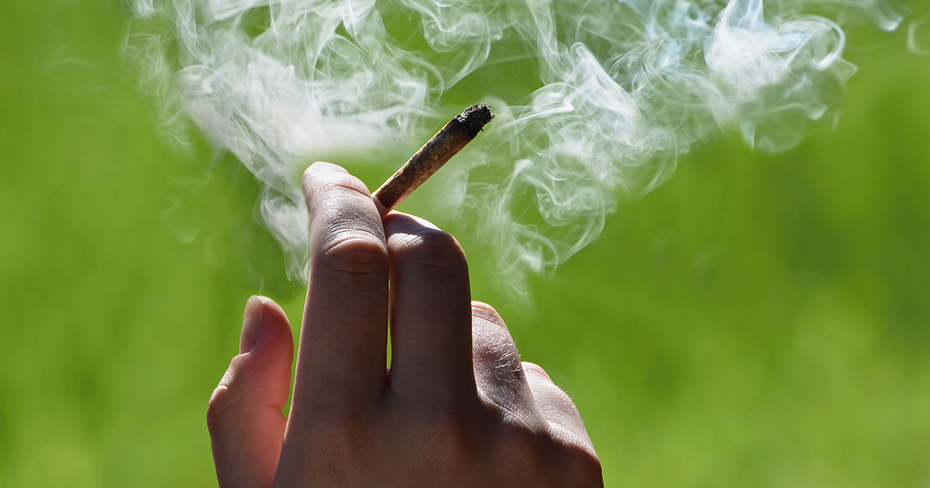
- Most adults that currently use cannabis consume cannabis by smoking
- In 2014, the most popular way of consuming cannabis among adults that are current cannabis users was a bowl or pipe (49.5%), followed by a joint (49.2%). There is lesser use of a bong, water pipe, or hookah (21.7%), blunts (20.3%), edibles/drinks (16.1%), and vaporizers (7.6%).
- Men are more likely to regularly use cannabis than women
- Regular (i.e., past 30-day use) cannabis use is more common in men (16.2%) than women (11.4%).
- Adult use is higher in states where cannabis is legal
- Adult use is around two to three percentage points higher in states with legalized medical cannabis and as much as 23% higher among adults in states with legalized recreational cannabis.
DISPARITIES IN CANNABIS USE
Marijuana use rate disparities
- Racial/ethnic disparities
- Several studies from 2022 have found that prevalence of tobacco and cannabis co-use is higher among Black populations compared to other racial/ethnic groups. Additionally, within a sample of pregnant women in 2017, Black women have increased odds of co-using cannabis and tobacco compared to only using tobacco.
- Sexual minority disparities
- When compared to heterosexual women, bisexual women had 2.89x higher prevalence and lesbian/gay women had 2.04x higher prevalence of past year cannabis use. Bisexual men had 1.39x higher prevalence and gay men had 1.29x higher prevalence of past year cannabis use compared to heterosexual men. Compared to heterosexual youths, lesbian and gay youth had 2.67x higher odds and bisexual youth had 2.78x higher odds of co-using cannabis and nicotine.
- Income disparities
- The prevalence of cannabis use and cannabis use disorder was greatest in adults at the lowest income level ($0-$19,999), compared to those at all higher incomes ($20,000-$34,999, $35,000-$69,999, and ≥$70,000) from 1991 to 2013.
Racial/Ethnic inequities regarding cannabis
- Historically, Black and Hispanic/Latino people in the U.S. have been disproportionately targeted when it comes to cannabis enforcement.
- Black people are more than 3x more likely to be arrested for cannabis possession compared to White people, despite similar prevalence of cannabis use.
- More than three-quarters (77%) of federal cannabis sentences were for Hispanic/Latino people, even though they only comprised 20% of the U.S. population in 2015, and only 10.5% aged 12 or older used cannabis in the past month.
- Recently, there have been efforts to attenuate racial and ethnic inequities surrounding cannabis enforcement.
- As of 2020, at least 23 states and the District of Columbia have implemented cannabis conviction expungement and other ways to relieve past cannabis records.
- Social equity programs have been implemented in some states. Six states and some localities have taken initiative to ensure that communities disproportionately affected by previous cannabis laws can participate in the legal cannabis industry.
- On October 6, 2022, President Biden announced reforms on federal cannabis policy to pardon those who were convicted of simple cannabis convictions at the federal level and urged state governors to follow suit.
CANNABIS AND TOBACCO: COMMON USE PATTERNS
Marijuana and tobacco
Cannabis and tobacco products (including cigarettes, e-cigarettes, and smokeless tobacco products) are two of the most commonly used substances among youth in the United States. In addition, a 2018 study found that co-use of cannabis and tobacco is more prevalent than tobacco only or cannabis only use in U.S. among youth ages 12-17.
Young adults who use cannabis more frequently are likely at risk for greater tobacco exposure, and vice versa. Participants in a study of young adults in California who used cannabis recently were 65% more likely to report use of multiple tobacco products than those who reported no recent cannabis use at baseline. Additionally, among U.S. youth and young adults who had never regularly used tobacco, cannabis use was associated with a large increase in current tobacco use four years later.
Other notable patterns include:
- Past month cannabis use and daily cannabis use are more common among those who smoke cigarettes.
- Among youth ages 12-17 who used cigarettes daily, 29.9% used cannabis daily.
- Youth who use e-cigarettes are over three times more likely to use cannabis than those who do not, according to a study published in 2022 analyzing data from 2017 and 2019.
- E-cigarette use predicts later cannabis use among youth, especially among young adolescents.
HOW CANNABIS IS CONSUMED
Different ways to use marijuana
How cannabis is consumed
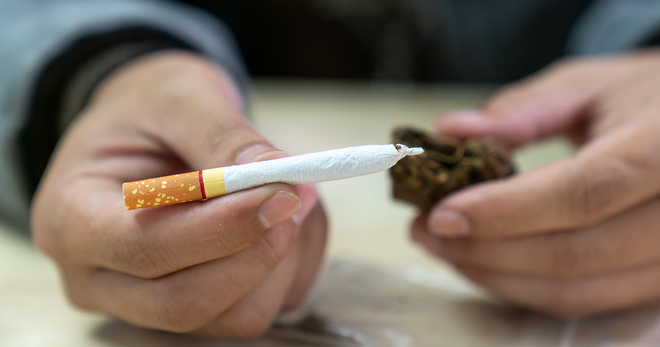
- Spliffs: A rolled cannabis and tobacco cigarette.
- Blunts: Cannabis rolled in tobacco leaf.
- Spliff vapes: Vapes that combine cannabis oil and nicotine.
- DIY THC/CBD Juul Pods: Juul-like pods that contain THC and/or CBD oil. This can be made at home or pre-filled pods can be sold.
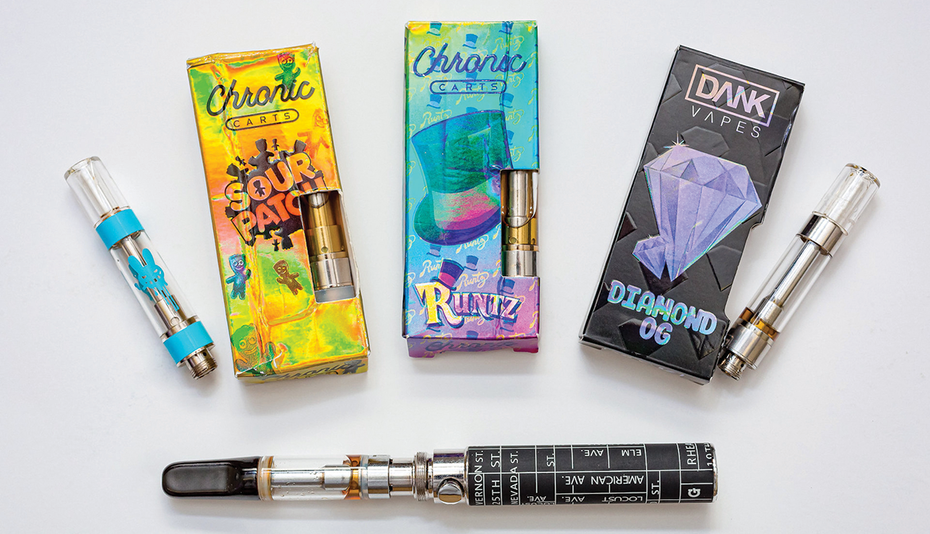
- Disposable vapes, cartridges, and pods: Vapes that can be disposed of after using the entire product. Similar to disposable nicotine vapes, but it may contain CBD and/or THC instead.
- Inhalers: Inhalers containing THC.
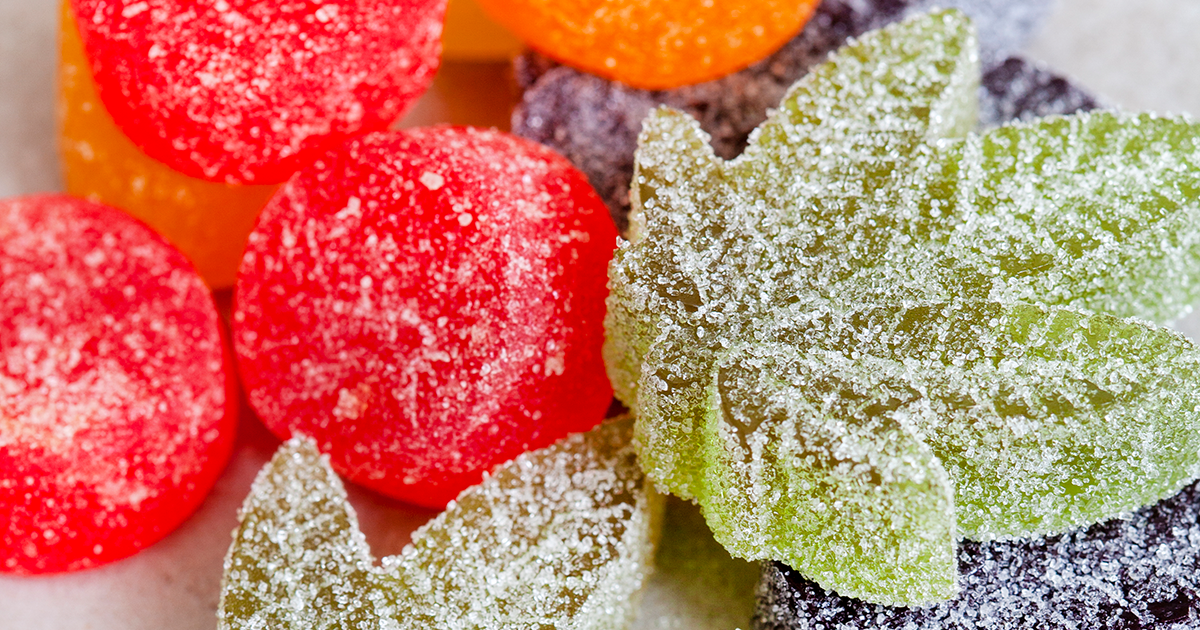
- Edible/Gummies: Food that contains THC and/or CBD.
- Oils: Oil extracted from cannabis to get THC. Oils tend to be more potent since they are more concentrated.
- Wax: Wax is extracted from cannabis through butane or hydrocarbon extraction, creating a potent concentrate.
- Shatter: The extraction process is similar to wax, but shatter has a hard, glass-like consistency, whereas wax is softer and malleable.
- Tinctures (product dissolved in alcohol): Cannabis-infused alcohol.
IS CANNABIS A GATEWAY DRUG?
Is marijuana a gateway drug
There is a lot of debate on whether cannabis is a gateway drug. Some studies find that regular or heavy cannabis use is associated with an increased risk of using other illicit drugs, although this link may be because users of all of these substances share common risk traits (e.g. sensation seeking). It is also theorized that any substance that decreases reactivity of brain receptors can lead to addiction vulnerability. On the other hand, a 2022 study has found that cannabis use may not be a gateway drug for other illicit drug use. That said, the majority of people who use cannabis do not go on to use other “harder” substances.
Young adults who use cannabis more frequently are likely at risk for greater tobacco exposure, and vice versa.
VAPING CANNABIS ON THE RISE
Vaping marijuana rates
Tobacco and cannabis use patterns are evolving, with many of today’s teens directly combining the two products. Vaping cannabis (i.e., heating the dried plant and using distillates or an “e-liquid” solution with a battery-powered e-cigarette to inhale a vapor) has been increasing. A study that analyzed data collected between 2005-2014 also shows that the odds of cannabis use were higher among youth who had a history of using e-cigarettes. Given the increase in cannabis legalizations and increase in e-cigarette use, it is likely that vaping cannabis will continuously rise.
In 2022, 6%, 15% and 20.6% of 8th, 10th and 12th graders respectively, reported vaping cannabis in the last year. While patterns across states are not fully known, individual states have reported varying levels of the use of vaping devices for cannabis. For example, about 1 in 4 high school students in California and North Carolina and 1 in 5 high school students in Connecticut reported vaping cannabis. Furthermore, nearly 7% of youth and young adults (aged 15-24 years), report concurrent cannabis and e-cigarette use. Among college students the numbers are even higher, with 29% reporting ever vaporizing cannabis products.
Reports of lung injury due to the use of e-cigarettes (EVALI – E-cigarette and Vaping Associated Lung Injury) have linked vaping cannabis with lung illnesses. As of February 18, 2020, there have been 2,807 reported cases and 68 deaths related to EVALI. The Centers for Disease Control and Prevention identified vitamin E acetate as a significant concern in the outbreak, finding the chemical in 48 of 51 EVALI samples it had analyzed from victims. Vitamin E acetate is harmless when ingested or applied topically, but it can affect normal lung functioning when inhaled. The CDC advises that people do not use e-cigarettes or vaping products containing THC from non-regulated markets including friends, family, or in person or online dealers.
CONNECTION BETWEEN THE CANNABIS INDUSTRY AND TOBACCO INDUSTRY
Link between marijuana and tobacco industry
The tobacco industry sees cannabis as both a potential competitor as well as a potential product. Big Tobacco has previously shown interest in the legal cannabis business and recently, multiple tobacco companies have invested in cannabis companies. Big Tobacco has also supported pro-cannabis groups that lobby for legalization.
- Imperial Brands has a 20% stake in AuxlyCannabis and acquired a stake in the biopharmaceutical company Oxford Cannabinoid Technologies.
- Altria (the maker of Marlboro) acquired a 41% stake in Cronos Group, a cannabis research and product development group in March 2019.
- British American Tobacco (BAT) acquired almost 45% of Organigram, a Canadian cannabis research company.
- Philip Morris International acquired the Israeli medical cannabis company Syge Medical for $650 million in July 2023.
- A joint venture between BAT’s subsidiary AJNA BioSciences PBC and Charlotte’s Web, which BAT invested in last year, plans to seek approval from the US Food and Drug Administration for a treatment made from hemp extract. AJNA invested $10 million in the deal. Charlotte’s Web and AJNA each own 40% of the entity, while BAT controls the remaining stake, according to a statement.
- Even though the cannabis industry faces hurdles, tobacco companies are increasingly investing in the sector to move away from legacy tobacco products, like cigarettes, that have experienced declining demand. BAT has also put money into OrganiGram, a Canadian cannabis firm, and German cannabis company Sanity Group in joining Snoop Dogg’s Casa Verde Capital.
- Avicanna Inc., a biopharmaceutical company focused on cannabis products joined a scientific and medical affairs partnership agreement with Vectura Fertin Pharma, which is owned by Phillip Morris International.
- The tobacco industry may have an interest due to “the functional similarities of cannabis production; its use with tobacco roll-your-own (RYO) cigarettes; the ability to extract its active ingredients for use in e-cigarettes (THC and CBD), and its medicinal potential.”
- Concerns have been raised that cannabis companies will target the same communities that were targeted by Big Tobacco.
- CBD is becoming more prevalent in vape shops and online vape retailers as there are a growing number of restrictions that prevent e-cigarette products, especially those that come in flavors, from being manufactured, marketed, or sold. A study found that 73.3% of merchants in the study sold CBD vape products and 80% sold other CBD products. Vape shops also sell CBD products like cannabis glassware, pipes, and accessories.
MORE RESEARCH NEEDED ON BENEFITS OF MEDICINAL CANNABIS
Benefits of medical marijuana
Despite the increasing number of states that have legalized cannabis for medicinal purposes, there is little evidence that points to specific medicinal benefits of cannabis. While users anecdotally report several medical benefits from cannabis, such as improved sleep and decreased anxiety, studies to date show mixed results for medicinal cannabis use, including:
- Moderate evidence for the treatment of chronic pain, spasticity in MS patients.
- Mixed evidence for the treatment of glaucoma.
- Some evidence of improvements in nausea and vomiting due to chemotherapy, alleviation of fatigue, anxiety and increased appetite for people with HIV/AIDS, and a reduction in anxiety and sleep disorders.
- Clinical research on cannabinoids for alleviating motor and nonmotor symptoms in Parkinson’s disease, Huntington’s disease, Tourette’s syndrome, dystonia, and other movement disorders is currently underway.
Cannabis use disorder
- Cannabis use disorder is characterized by symptoms such as intense cravings, an inability to stop/reduce use or continuing use despite negative consequences.
- Symptoms, ranging from mild to severe, can significantly impact a person’s quality of life and their ability to function.
- Around 4.4 million people (age 12 and older) had cannabis use disorder in 2018.
- Around 30% of those who use cannabis may have some degree of cannabis use disorder.
CANNABIS CAN HAVE NEGATIVE IMPACTS — POSING HARM TO YOUTH
What are the effects of marijuana use on teens
Research has consistently found that cannabis can have lasting impacts on the adolescent brain, which is still developing until around age 25.
- Disruption of brain’s architecture
- Early use of cannabis by teens and young adults disrupts the brain’s architecture, especially among chronic, heavy and early users, resulting in cognitive impairment. Also, exposure to THC during adolescence can impact structural, molecular, and functional alterations of brain circuits, especially in areas involving cognition and behavior.
- Memory, learning, attention, and impulse control problems
- Regular cannabis use in adolescence may have long-term effects. Some studies suggest regular cannabis use in adolescence can negatively impact memory, learning and impulse control. Acute and chronic exposure to cannabis can impair verbal learning, memory, and attention.
- Connections with mental health
- Cannabis use is associated with depression in young adults and is associated with earlier onset and worse symptoms of psychotic illness, including schizophrenia.
- Higher dropout rates
- Heavy and frequent use of cannabis during the teenage years is also associated with higher high school dropout rates, lower grades and poorer attendance compared to nonusers. Multiple studies have also found that cannabis use can be associated with reduced educational attainment (i.e. reduced changes of graduating). However, it is unclear to what degree cannabis use is directly causing these associations as there may be other factors at play.
- Increased traffic deaths
- One study found that a larger medical cannabis market size is associated with increased traffic deaths among drivers aged 15-20. It’s important to note that this study found that there is a potential synergistic effect between alcohol and cannabis use among youth. They indicate that although cannabis’ effect on driver impairment is moderate in comparison to alcohol effects, using cannabis and alcohol together may have an enhanced effect on driver impairment.
DEPENDENCE IN YOUTH
Youth marijuana use
- Youth use may lead to dependence.
- A study published in 2008 that analyzed data from 2003 found that people who begin using cannabis before age 18 are four to seven times more likely than adults to develop a cannabis use disorder.
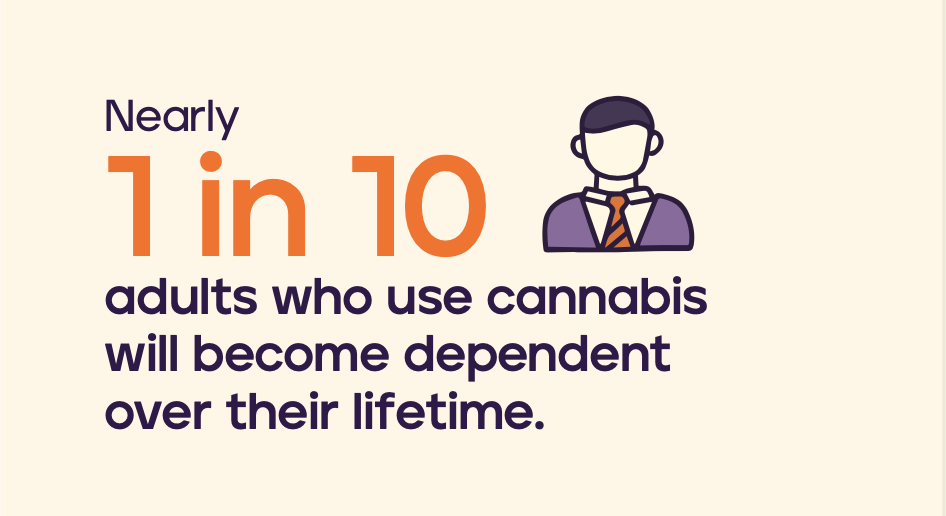
- Nearly 1 in 10 adults who use cannabis will become dependent over their lifetime. The odds of developing cannabis use disorder are higher in people who start using cannabis during youth or adolescence.
- The odds of developing cannabis use disorder is higher in people who start using cannabis during youth or adolescence.
- Frequent cannabis use among youth (defined as using at least weekly to 20-30 days a month) can be associated with a variety of mental health disorders, health risks, and poor psychosocial outcomes.
Interventions to promote cannabis cessation
A text message quit-vaping program designed to help young people quit nicotine — part of EX Program by Truth Initiative — can also help them quit cannabis use, according to a study published in Substance Abuse Treatment, Prevention, and Policy. Among teens, 38.5% of those receiving the text message intervention achieved dual abstinence from both nicotine e-cigarettes and cannabis, compared to 25.0% in the control group — a 13.5% advantage. Among young adults, 17.9% of intervention participants achieved dual abstinence versus 13.3% in the control group.
PREVENTING YOUTH-APPEALING MARKETING OF CANNABIS PRODUCTS IS KEY
Marketing marijuana to youth
Given the serious consequences of cannabis use on the adolescent brain, it is critical to highlight and regulate marketing practices that may appeal to young people. Like the tobacco industry, which has created products designed to appeal to young users, certain cannabis products may be desirable to underage users. Baked goods, gummies, candy, chocolates, and flavored cannabis products are frequently sold at legal dispensaries. Illegal distributors have also created products that resemble popular food brands among kids, such as Cheetos, Fruity Pebbles, Sour Patch Kids, and Oreos. Creameries across Massachusetts have recently begun selling cannabis-infused ice cream, and snack companies like Guy’s Chips are developing cannabis infused potato chips.
As businesses continue to acquire licensing and approval at the state level to create new cannabis-infused products, public health concerns must be considered. Since business interests push commercialization, strong regulation to prohibit any product branding or marketing that would appeal to youth is paramount. This problem is certain to increase exponentially as tobacco company interests continue to acquire cannabis companies, a phenomenon that is sure to accelerate if cannabis legalization increases in the U.S. Altria, Imperial Brands, and British American Tobacco are some companies that have acquired shares in cannabis companies.
FEDERAL CANNABIS POLICY
Federal marijuana laws
The federal government has taken varying approaches to drug enforcement throughout our nation’s history that have tended to shift focus from criminal enforcement to prevention and rehabilitation. With the emergence of state laws allowing medical and recreational cannabis, the federal government has had to determine how to respond since cannabis remains illegal at the federal level. A few recent developments are important to note:
- In 2014, Congress passed a provision that prohibits the U.S. Justice Department from interfering in the implementation of state medical cannabis laws. While the provision does not change the federal legal status of cannabis, Congress must renew it every fiscal year to remain in effect. The provision was effective until September 30, 2024, and has yet to be renewed in a spending bill as of October 2025 and has so far done so.
- As of December 2018, the Farm Bill of 2018 expanded pilot programs begun in 2014 to remove hemp from the controlled substances list and established hemp as an industrial product. The Farm Bill defined hemp as the cannabis plant with less than 0.3% of Delta-9 THC and allows hemp-derived products to be sold across state lines. Therefore, any cannabis plant with more than 0.3% delta-9 THC is considered a Schedule 1 drug subject to the Controlled Substances Act. While this was the first time hemp was de-scheduled, the law did create some unintended consequences, including the rise of Delta-8 and Delta-10 use, which were not addressed, nor was the regulation of CBD products over 0.3% Delta-8 THC. Congress is currently negotiating the 2025 Farm Bill and it remains to be seen if it will address any of these issues. Hemp products used as or in drugs, foods, dietary supplements, cosmetics, and veterinary products are subject to FDA regulation under the Food, Drug & Cosmetic Act.
- On August 29, 2019, in the first Surgeon General’s advisory on cannabis since 1982, the U.S. Surgeon General issued a formal advisory stating that cannabis usage can harm the brain development of young people and fetuses in pregnant women. The advisory provided specific information for parents, youth, state and local governments, and health care providers.
- On October 6, 2022, President Biden announced reforms on federal cannabis policy to pardon those who were convicted of simple cannabis possession crimes while urging state governors to follow suit. This does not apply to those convicted for distributing or selling cannabis. President Biden also called on the Secretary of Health and Human Services and the Attorney General to review cannabis’ status as a schedule 1 drug, which puts it in the same tier as drugs like heroin and LSD. As part of this review, the FDA has been tasked with evaluating the data and making a recommendation on either rescheduling or de-scheduling cannabis.
- On January 26, 2023, the FDA announced that it will not regulate CBD as a dietary supplement or food stating that it is not apparent how CBD products could meet safety standards for dietary supplements or food additives. The FDA stated that they believe CBD requires a new regulatory pathway which would require congressional action. The FDA suggested such a pathway should include measures to address contamination, youth use prevention, labeling, and limits on the amount of CBD in these products.
Nonetheless, the FDA has issued warning letters to firms marketing CBD products with therapeutic claims, concerning routes of administration, egregious Delta-8 THC products and foods for humans and animals with added CBD.
STATE REGULATION OF RECREATIONAL CANNABIS
Recreational marijuana laws
States that have legalized recreational use of cannabis have taken various approaches to regulating it. Most states that allow cannabis sales have at least some sales and advertising restrictions; however, several states are still determining recreational cannabis regulations, and it will be important to monitor these policies as more are put into place.
Some key elements of current state policies include:
- Licensing: All states that allow cannabis sales currently require some sort of license to sell cannabis recreationally.
- Amount: All states that have legalized recreational cannabis have a limit on either the amount someone can possess at any one time, or limits on how much a person can purchase in a single transaction, or both.
- Other substances: All states that allow sales of recreational cannabis prohibit the sale of other substances, such as tobacco or alcohol, in cannabis dispensaries. However, there are known concerns with illegal unlicensed cannabis dispensaries despite these policies. In New York City and New Jersey, for example, there are unlicensed stores and smoke shops selling cannabis and tobacco.
However, not all states have adopted some key policies that will protect public health. Some missing elements include:
- Clean indoor air laws: As of July 1, 2025, 1109 localities and 40 states, territories, and commonwealths restrict cannabis use in some or all smokefree spaces. Of these, 608 localities and 23 states, territories, and commonwealths prohibit smoking and vaping of recreational and medical cannabis in one or more of the following venues: non-hospitality workplaces, restaurants, bars, and/or gambling facilities. However, states such as California, Nevada, and Colorado have exemptions for cannabis smoking in restaurants in their smokefree laws and Michigan has an exemption for cannabis smoking in restaurants and bars in its smokefree law.
- Restricting youth advertising: As of January 1, 2024, 21 of 24 states that allow recreational cannabis sales specifically prohibit advertising content that targets children. Despite these restrictions, studies show that some cannabis retailers in states like Washington, Oregon, Alaska, and Colorado emulate Big Tobacco by promoting their products on social media using cartoon characters and branded merchandise.
- Buffer zones: As of September 2024, 16 of 38 states, including D.C., with legalized medical and/or adult-use cannabis have buffer zones around schools and other child-centered locations that restrict where recreational cannabis can be advertised. The distance varies by state, with New Jersey having the smallest buffer zone of 200 feet and Connecticut having the largest buffer zone of 1500 feet.
- Flavors: States such as New York prohibit processors of vaporized or inhaled adult-use cannabis from making these products flavored. Additionally, several local jurisdictions have included flavored cannabis vapes in their flavored tobacco product restrictions.
POLICIES NEEDED TO PROTECT YOUNG PEOPLE
As the number of states that have legalized cannabis in some form continues to grow, it is essential to put policies in place that prevent and restrict use among youth. Commonsense regulations, such as minimum age purchasing laws, universal product standards and restrictions on marketing to young people, must be enacted and enforced to minimize youth use and harmful effects on developing brains.
More in substance use



Want support quitting? Join EX Program
By clicking JOIN, you agree to the Terms, Text Message Terms and Privacy Policy.
Msg&Data rates may apply; msgs are automated.